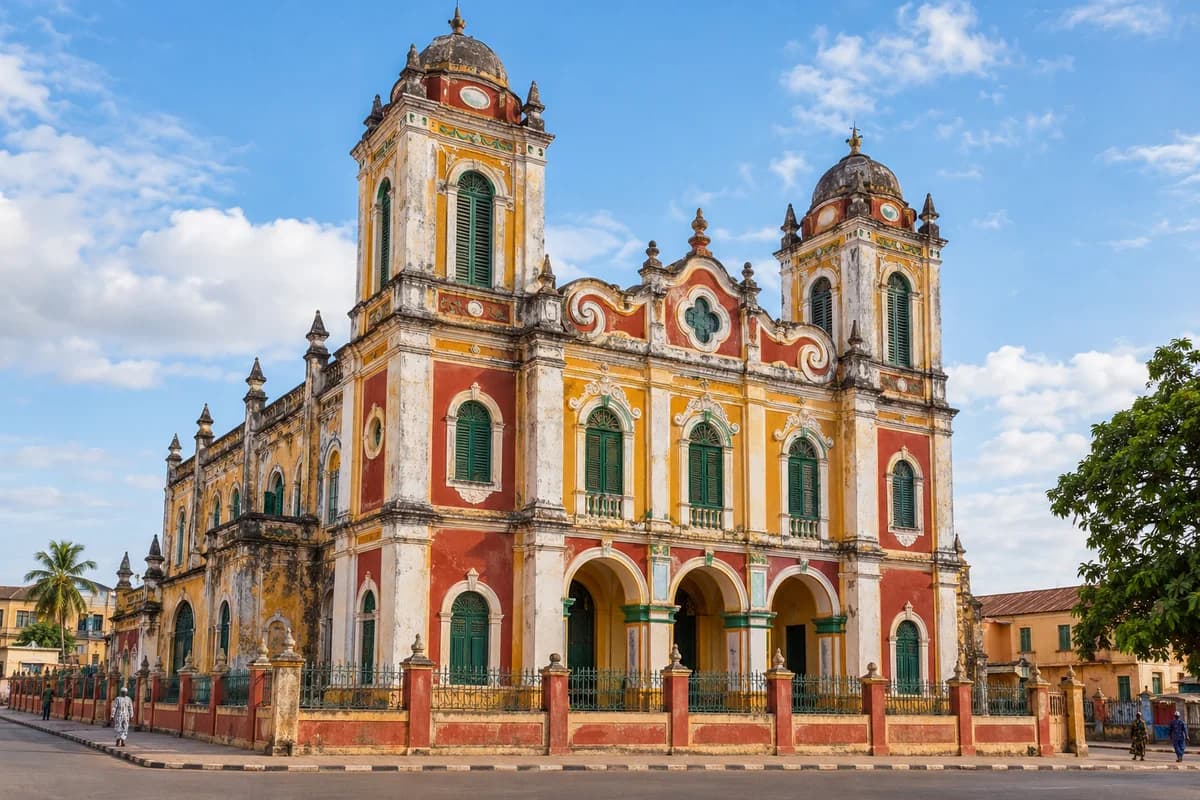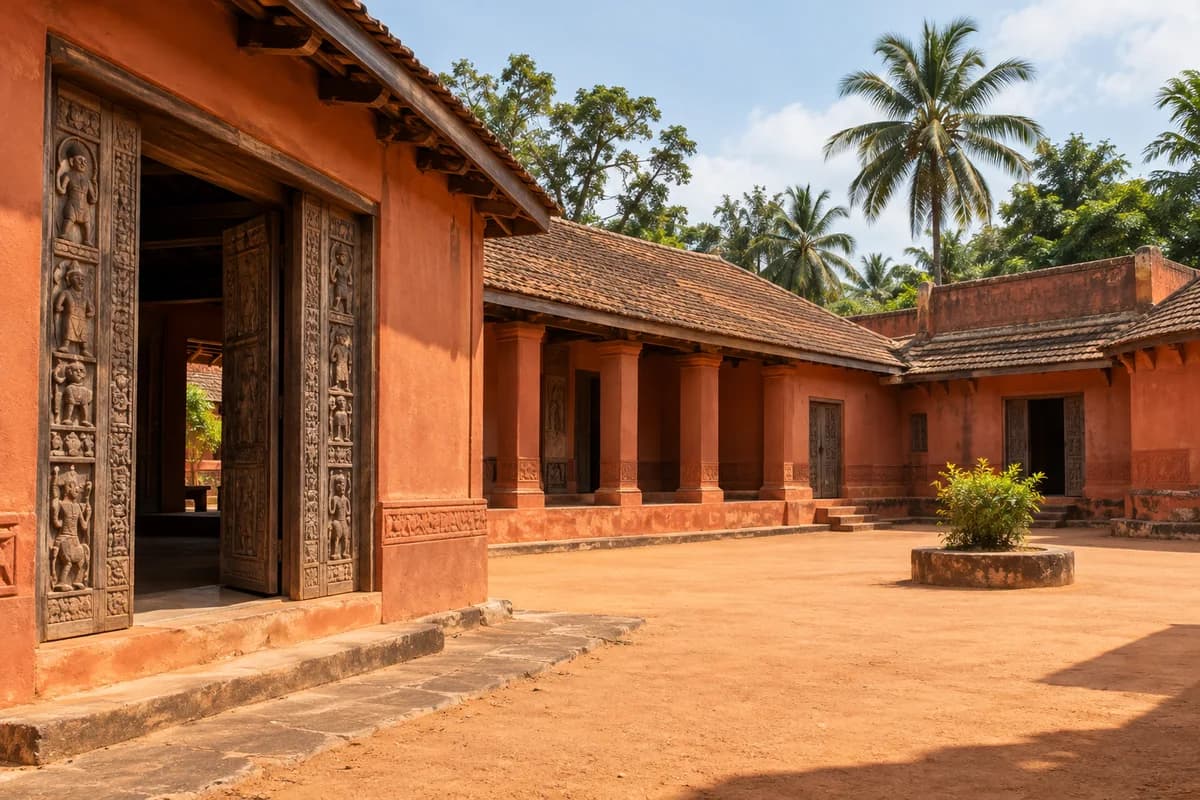
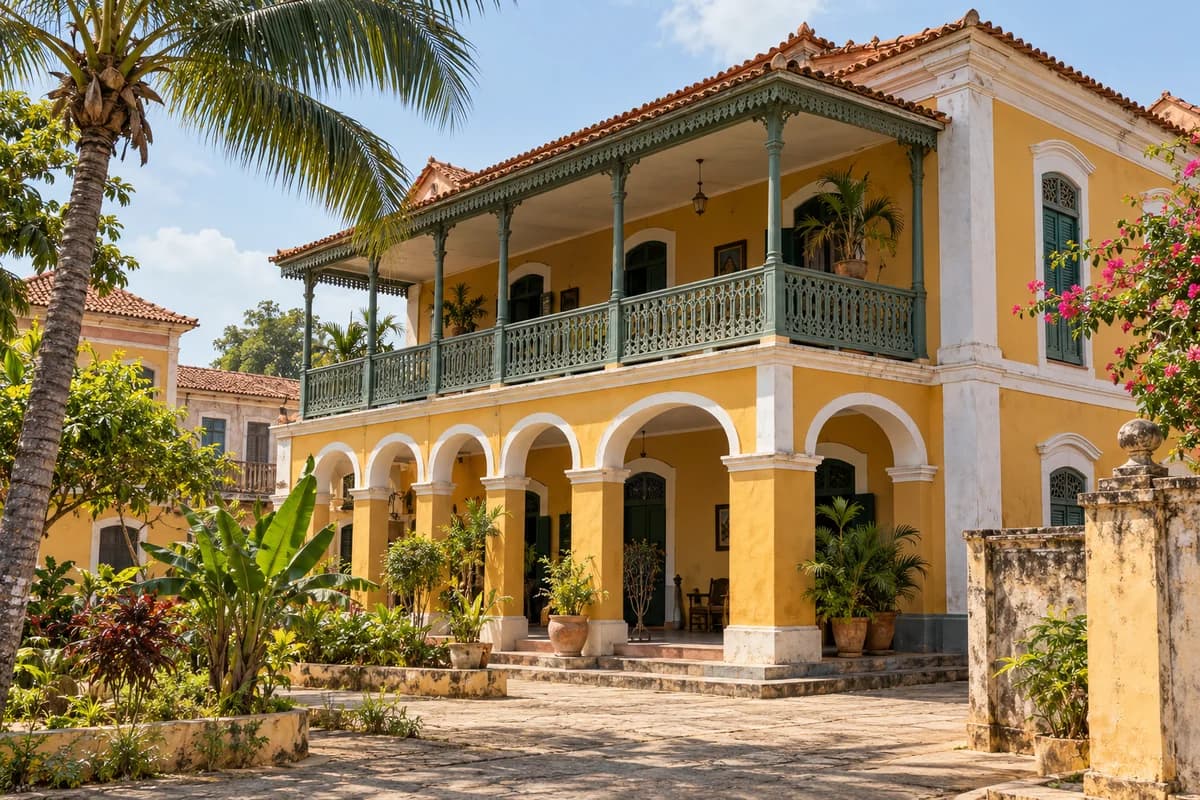
Between the lagoon and the cathedral of Porto-Novo, the Da Silva Museum occupies an Afro-Brazilian house built in 1890 for a wealthy Aguda family. Opened on 2 November 1998 by its founder, Urbain-Karim-Elisio da Silva, this private museum is devoted to Afro-Brazilian culture and to the memory of the slave trade.
History of the Da Silva Museum
The museum owes everything to Urbain-Karim-Elisio da Silva, a well-known figure in Benin's social and political life. Spokesman for the Muslim community of Dahomey, he stood in the 1968 presidential election. A businessman, he was made honorary consul of Brazil in the 1990s.
He created the museum with his own funds and opened it on 2 November 1998, his birthday. President Mathieu Kérékou, the UNESCO representative and the Minister of Culture attended the ceremony.
According to historian Ana Lucia Araujo, the museum is part of the movement to highlight the heritage of slavery that Benin has seen since the early 1990s. At the Da Silva Museum, that memory goes hand in hand with an emphasis on links with Brazil.
An Aguda house
The house was built in 1890 and belonged to a wealthy family of "Brazilians", also known as Agudas. The name refers to descendants of freed slaves who returned from Brazil and to families linked to Portuguese traders, who shaped the architecture of Porto-Novo.
It has two storeys and two annexes. It is regarded as one of the finest examples of Afro-Brazilian architecture in the town. Some rooms are furnished in the style of the period, and old photographs hang on the walls.
What to see
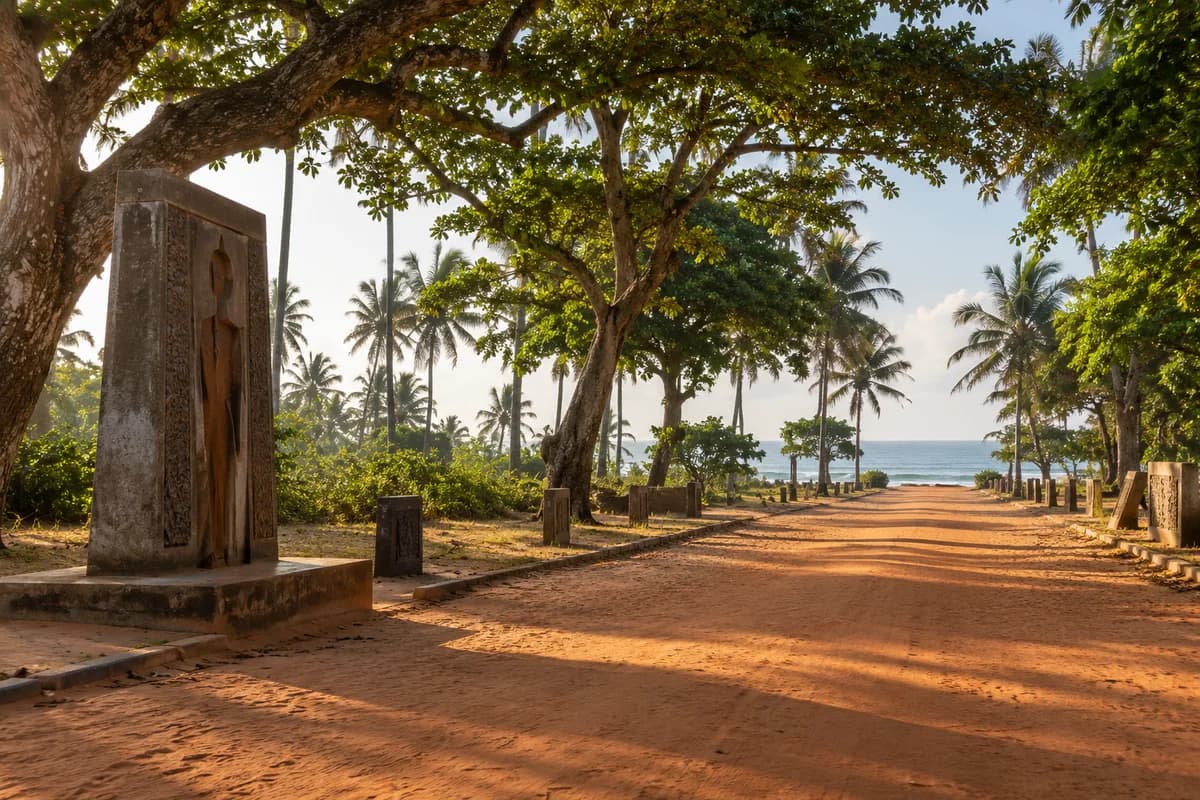
At the entrance, along the fence, bronze reliefs trace the triangular trade and the march of captives. The frieze is titled "devoir de mémoire de l'esclavagisme européen" (the duty to remember European slavery).
Inside, each part of the building covers a theme:
- African civilisation and Graeco-Roman civilisation;
- renowned Black figures;
- women;
- the musical heritage of Black people, with vinyl records and record players.
The holdings also include family portraits, photographs by Pierre Verger taken in Brazil and Benin, engravings by 19th-century travellers and French illustrated papers such as Le Petit Journal.
Meaning and memory
For Ana Lucia Araujo, the Da Silva Museum builds a "reconstructed" memory of slavery. It reads as much like a portrait of its founder, assembled from fragments, as like a historical account.
The displays rely heavily on European images, travellers' engravings and French illustrated papers, which carry their era's view of Africa and Brazil. Objects, texts and the guides' commentary do not always meet: visitors keep wide freedom of interpretation.
Visiting the museum is therefore also a chance to see how an Aguda family tells its own story and that of the slave trade, a century after the house was built.
Did you know?
Karim da Silva highlighted a maternal ancestor, José Abubakar Paraíso, whom he presented as a leader of the Malê revolt, the uprising of Muslim slaves in Bahia. The museum thus ties Porto-Novo to the history of both shores of the Atlantic.
At the time of Ana Lucia Araujo's study, published in 2007, the site also included a restaurant, a small guesthouse, a library, a conference room and an open-air auditorium.
Planning your visit
The museum is on Avenue Liotard in the Avassa district, between the lagoon and the cathedral, a short walk from the Honmè Museum and the Great Mosque. It is a private institution, so access arrangements may change. Opening hours and prices are not published by any current official source, so check on site or with a tourist office.
Opening hours and prices can change: check locally or with the tourist office before you go.
Sources
- Ana Lucia Araujo, Patrimoine de l'esclavage, mémoire reconstituée : le Musée da Silva, Africultures n° 70 (2007)
- Express Tourisme, Le musée Da Silva des arts et de la culture de Porto-Novo
- Wikipédia, Musée Da-Silva
Checked in September 2026.