The territory splits into 12 departments of Benin, which together contain 77 municipalities. So knowing this map helps you place a home town, plan a trip or follow local news. Below you will find each department's capital, its number of municipalities and its main assets, from the Niger River to the Atlantic Ocean.
Twelve departments since 1999
Until the late 1990s, however, the country had only six departments: Atacora, Atlantique, Borgou, Mono, Ouémé and Zou. Then the law of 15 January 1999 on territorial administration split each of them in two. As a result, Alibori, Donga, Collines, Couffo, Plateau and Littoral came into being.
However, the choice of capitals long remained open. In fact, only the Council of Ministers of 22 June 2016 settled the final list. At that point, each department also received its own prefect.
Table of the departments of Benin and their capitals
The table below gives each department's capital, then, in brackets, its number of municipalities.
| Department | Capital (municipalities) |
|---|---|
| Alibori | Kandi (6) |
| Atacora | Natitingou (9) |
| Atlantique | Allada (8) |
| Borgou | Parakou (8) |
| Collines | Dassa-Zoumè (6) |
| Couffo | Aplahoué (6) |
| Donga | Djougou (4) |
| Littoral | Cotonou (1) |
| Mono | Lokossa (6) |
| Ouémé | Porto-Novo (9) |
| Plateau | Pobè (5) |
| Zou | Abomey (9) |
Watch out, however, for a common mix-up: the capital of Atlantique is indeed Allada, not the better-known Ouidah or Abomey-Calavi. Likewise, Porto-Novo remains the national capital, while Cotonou concentrates economic activity.
The north: wide open spaces and parks
Alibori and Borgou
Covering 26,242 km², Alibori has the largest surface area among the departments of Benin. In particular, it borders the Niger River at Malanville and includes part of W National Park. Moreover, the municipality of Banikoara ranks among the country's major cotton areas, as our article on Beninese cotton explains. Further south, Borgou centres on Parakou, the main city of the north, while Nikki remains the historic heart of the Baatonu kingdom.
Atacora and Donga
Atacora takes its name from the mountain range that crosses it. There you will also find the fortified tata somba houses and Pendjari National Park, near Tanguiéta. Further south, Donga has only four municipalities. It is built above all around Djougou, an old trading crossroads between the north and the centre.
The centre: kingdoms and hills
Zou keeps the memory of the kingdom of Danxomè alive. Indeed, Abomey is home to the royal palaces, a UNESCO World Heritage Site since 1985. Meanwhile, nearby Bohicon serves as a busy trading hub. Next door, the Collines department takes its name from the hills around Dassa-Zoumè. Every August, the town also hosts a major Marian pilgrimage.
The south: coast, lagoons and capitals
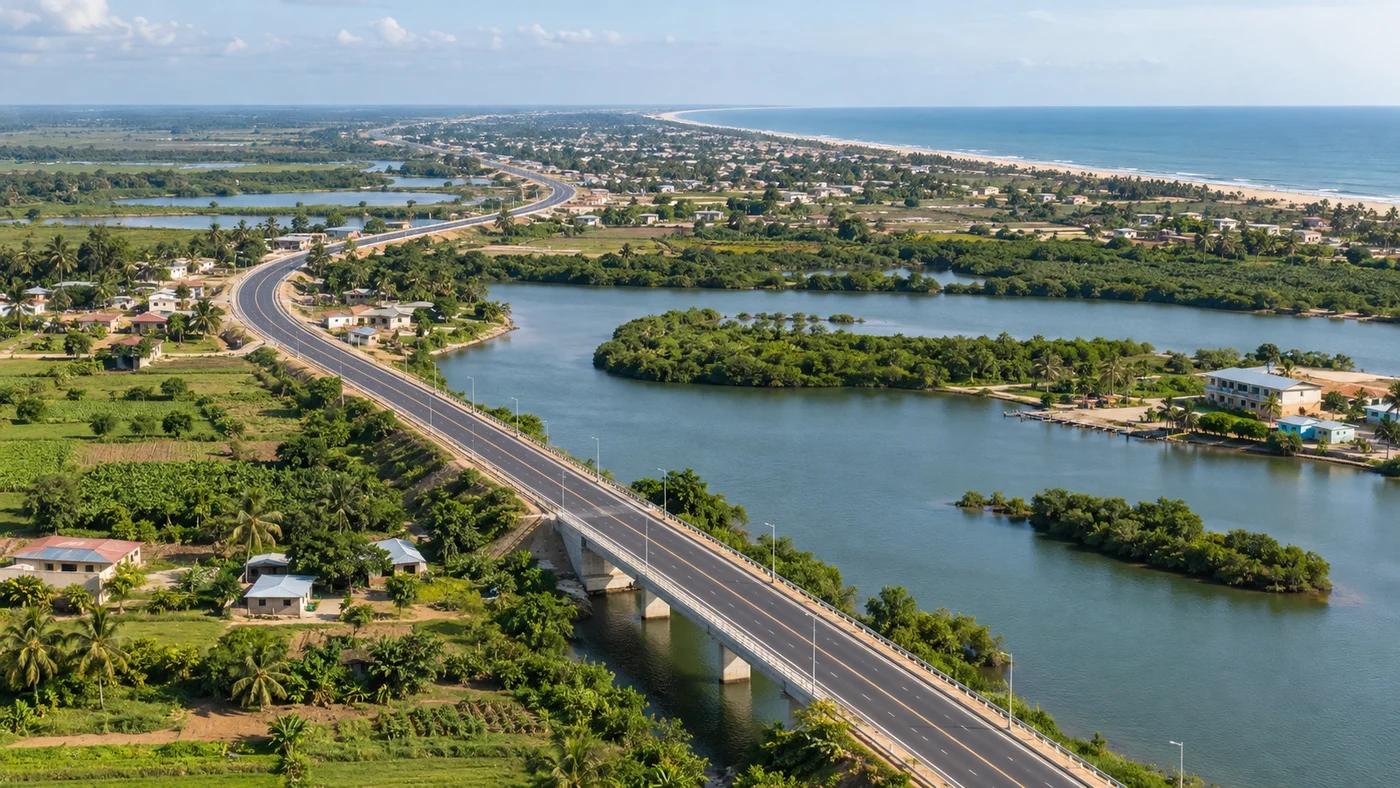
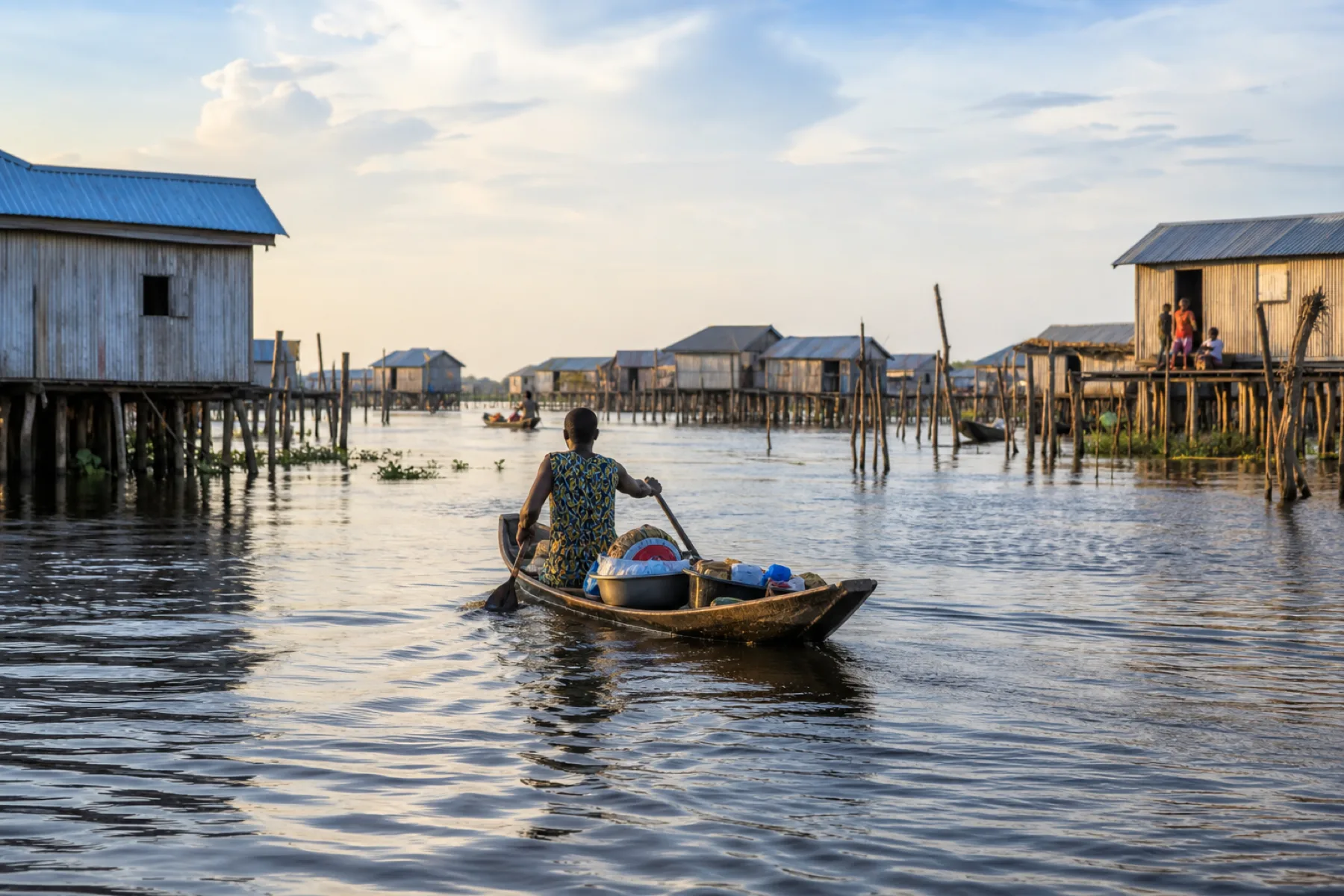
In the south, the departments of Benin are smaller but densely populated. First, Littoral consists of a single municipality, Cotonou, covering 79 km²: it is the smallest department, yet also the country's economic engine. Next, Atlantique includes Ouidah, Abomey-Calavi and Sô-Ava, home to the lake village of Ganvié. At the 2013 census, it therefore counted almost 1.4 million inhabitants, the highest total in the country.
To the east, Ouémé also hosts Porto-Novo, the official capital and seat of the National Assembly. Along the Nigerian border, Plateau counts historic towns such as Kétou and Sakété. Finally, to the west, Mono stretches to Grand-Popo and the Bouche du Roy, while Couffo remains a farming region.
Prefects, municipalities and territorial poles
In each department, first, a prefect represents the state and coordinates public services. By contrast, local affairs fall to the 77 municipalities. Each one elects a council for seven years, which then chooses the mayor. The latest local elections took place on 11 January 2026. In addition, Cotonou, Porto-Novo and Parakou have a special status.
Since September 2026, a new level has come into play: six territorial development poles group several departments together, without replacing them. Our article on the territorial poles reform shows the map. For landscapes, our page on the geography of Benin also describes the main natural regions.
Frequently asked questions
How many departments does Benin have?
Benin has had twelve departments since the law of 15 January 1999. Together, they therefore include 77 municipalities.
Which is the largest of the departments of Benin?
In the north-east, Alibori covers 26,242 km², so it is the largest. By contrast, Littoral, limited to Cotonou, is the smallest.
Department or municipality: what is the difference?
A department is an administrative district of the state, and an appointed prefect heads it. A municipality, on the other hand, is a local authority with elected officials.
Why should you know your municipality of birth?
Because the town hall of your place of birth keeps your civil status records. So it is this town hall that issues, for example, copies of birth certificates.
If you are planning a stay, our selection of 15 must-visit places in Benin will help you choose your stops. For a birth declaration or any other record, Honorary Consulate of Benin in Liège is here to help: write to us through the contact page.
Sources
- La Nouvelle Tribune: list of the 12 prefects and department capitals (22 June 2016)
- Ministry of Decentralisation and Local Governance: official website
- Wikipedia: departments of Benin
Article tags