The education system in Benin follows a structure close to the French-speaking model: nursery, primary, secondary in two cycles, then higher education. Still, its exams, streams and universities have their own landmarks. That is why this guide walks through them step by step. It will help if you plan to enrol a child in Benin, need a diploma recognised or simply want to understand your relatives' schooling.
The main stages of the education system in Benin
Teaching takes place in French at every level. In addition, three ministries share the sector: one for nursery and primary, one for secondary, and one for higher education and research. The full path runs in this order:
- first, nursery school for two years;
- then primary school, from CI to CM2, for six years, ending with the CEP;
- next, lower secondary, over four years, ending with the BEPC;
- after that, upper secondary, over three years, ending with the baccalauréat;
- finally, higher education, organised in the LMD system (licence, master's, doctorate).
In practice, the school year starts in mid-September. For example, the 2026-2027 year began on Monday 14 September 2026.
Nursery and primary: the foundations
The 1990 Constitution makes primary education compulsory. Moreover, state primary schools charge no fees. After nursery, children enter the initiation class (CI), then follow six years up to the final primary class (CM2).
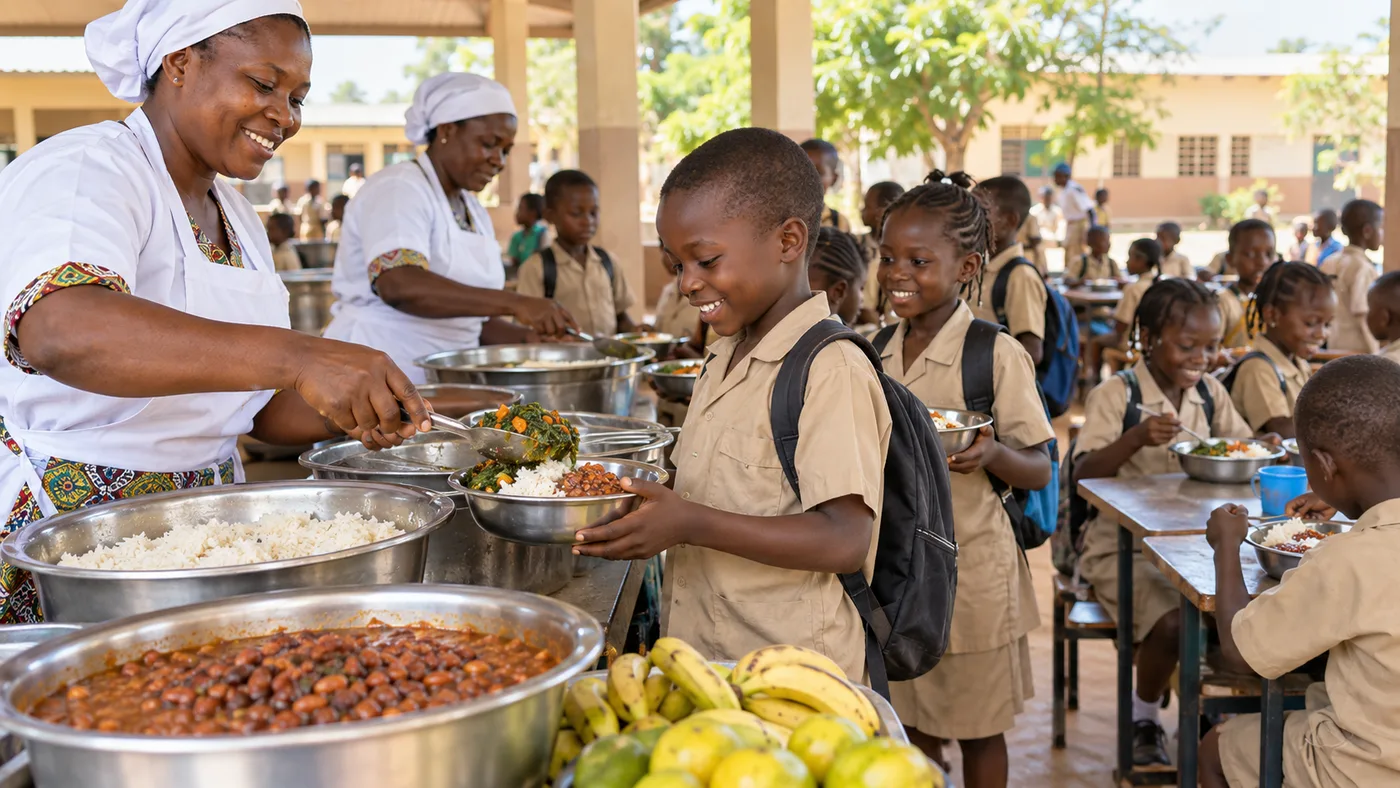
Finally, at the end of primary school, pupils sit the primary school certificate (CEP). In 2026, the exams took place from 1 to 4 June. School also plays a social role: the national school meals programme now feeds 1.9 million pupils, as our article on the 2026 school canteens explains.
Secondary school: BEPC, then baccalauréat
Lower secondary and the BEPC
This lower cycle lasts four years and then ends with the BEPC certificate. In 2026, 129,462 candidates sat it, with a national pass rate of 64.14%.
Upper secondary and the baccalauréat
Then the upper cycle leads, over three years, to the baccalauréat, run by the Office du Baccalauréat. Pupils then choose a stream: literary (A), economics (B), science (C or D) or technical (E, F, G). In June 2026, 77,101 candidates sat the exam. In the end, the national pass rate reached 66.78%, compared with 73.02% in 2025.
Alongside general education, technical schools and vocational training centres also prepare pupils for specific trades. As a result, they offer a more direct route into a trade.
Higher education and the LMD system
Benin also has four public universities:
- UAC: the University of Abomey-Calavi, the largest in the country;
- UP: the University of Parakou, in the north;
- UNA: the National University of Agriculture;
- UNSTIM: the National University of Sciences, Technologies, Engineering and Mathematics.
Since the early 2010s, universities have used the LMD system: a three-year licence (bachelor's), a two-year master's, then a doctorate. Benin is also a member of CAMES, the African and Malagasy Council for Higher Education, which supports the recognition of degrees among its member states. Many private institutions complete the offer as well. Before enrolling, however, check that the institution holds ministry approval.
From the education system in Benin to Belgium, and back
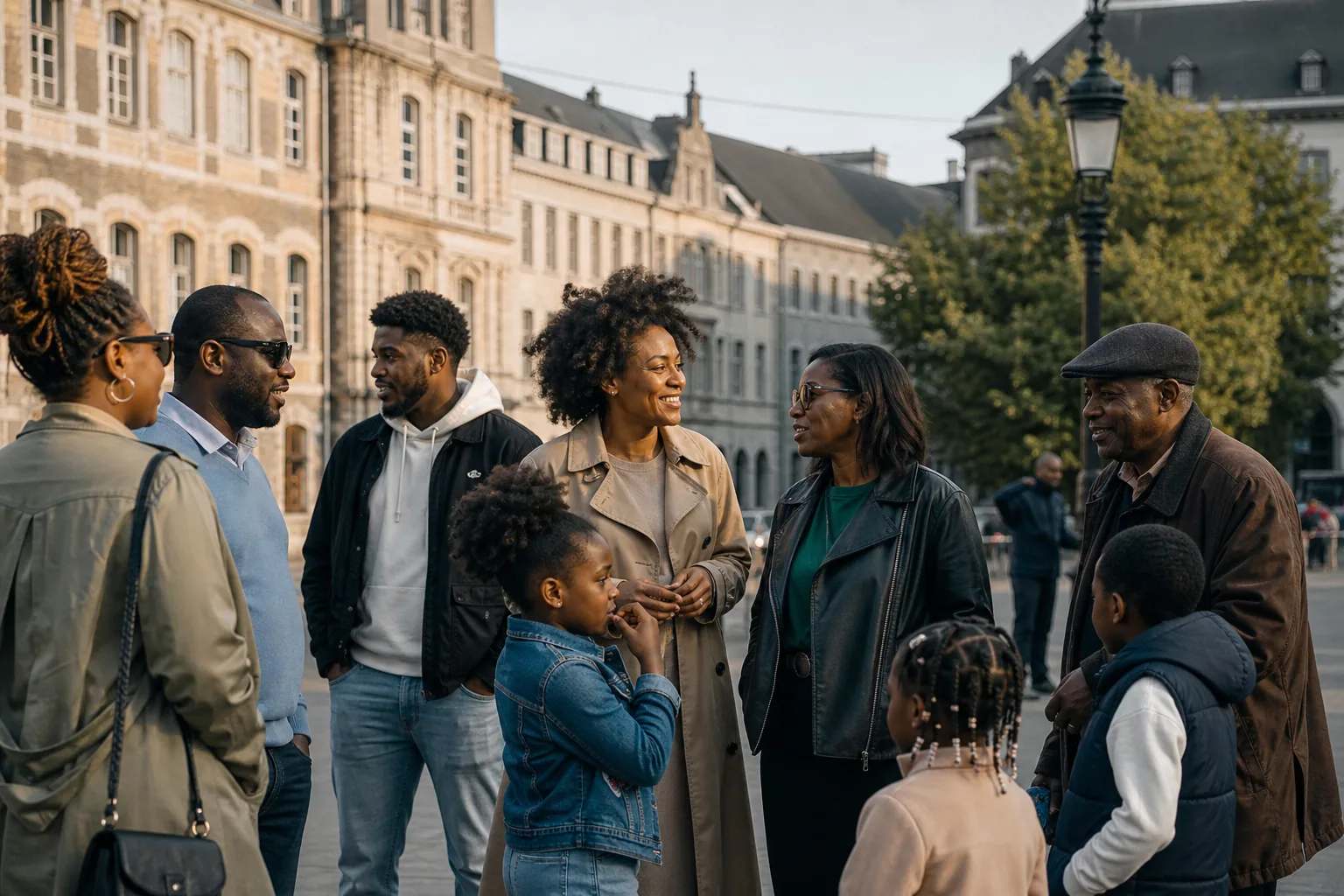
For the diaspora, moving between the two systems therefore takes some preparation. First, a Beninese baccalauréat holder who wants to study in Belgium needs an equivalence: our guide to Beninese diploma equivalence sets out the procedure.
Enrolling a child in a school in Benin
Conversely, a child who went to school in Belgium can move to a school in Benin. Here are the steps to plan:
- First, contact the school several months before the September start.
- Next, gather recent report cards and a school attendance certificate from the Belgian school.
- Then have these Belgian documents legalised by the Belgian Foreign Affairs ministry before the post authenticates them (see document legalisation).
- Finally, check the child's birth certificate and, if the child is Beninese, the certificate of nationality.
The school then decides which class the child joins. When a minor travels, also remember the laissez-passer if needed. If the whole family is relocating, read our guide to moving back to Benin as well.
Frequently asked questions
At what age do children start primary school in Benin?
Usually at around six, after two years of nursery. They then begin with the initiation class (CI).
Can I study in Belgium with a Beninese baccalauréat?
Yes, if you obtain an equivalence from the relevant Community. For schooling outside the European Union, that decision often limits the fields you can enter.
Does the education system in Benin use national languages?
In practice, French remains the language of instruction. However, national languages play a major role in daily life, as our guide to the languages spoken in Benin shows.
In short, the education system in Benin offers a full path, from primary school to doctorate. For schooling or diploma formalities, Honorary Consulate of Benin in Liège is available through the contact page.
Sources
- Government of Benin: BEPC 2026 results
- La Nouvelle Tribune: baccalauréat 2026 pass rate of 66.78%
- Ministry of Higher Education: official website
- Ministry of Secondary Education: official website